
The Affect of Living in a Dream World from a Nietzschean Perspective is the title of a chapter I wrote for this book (publihed by Routledge).
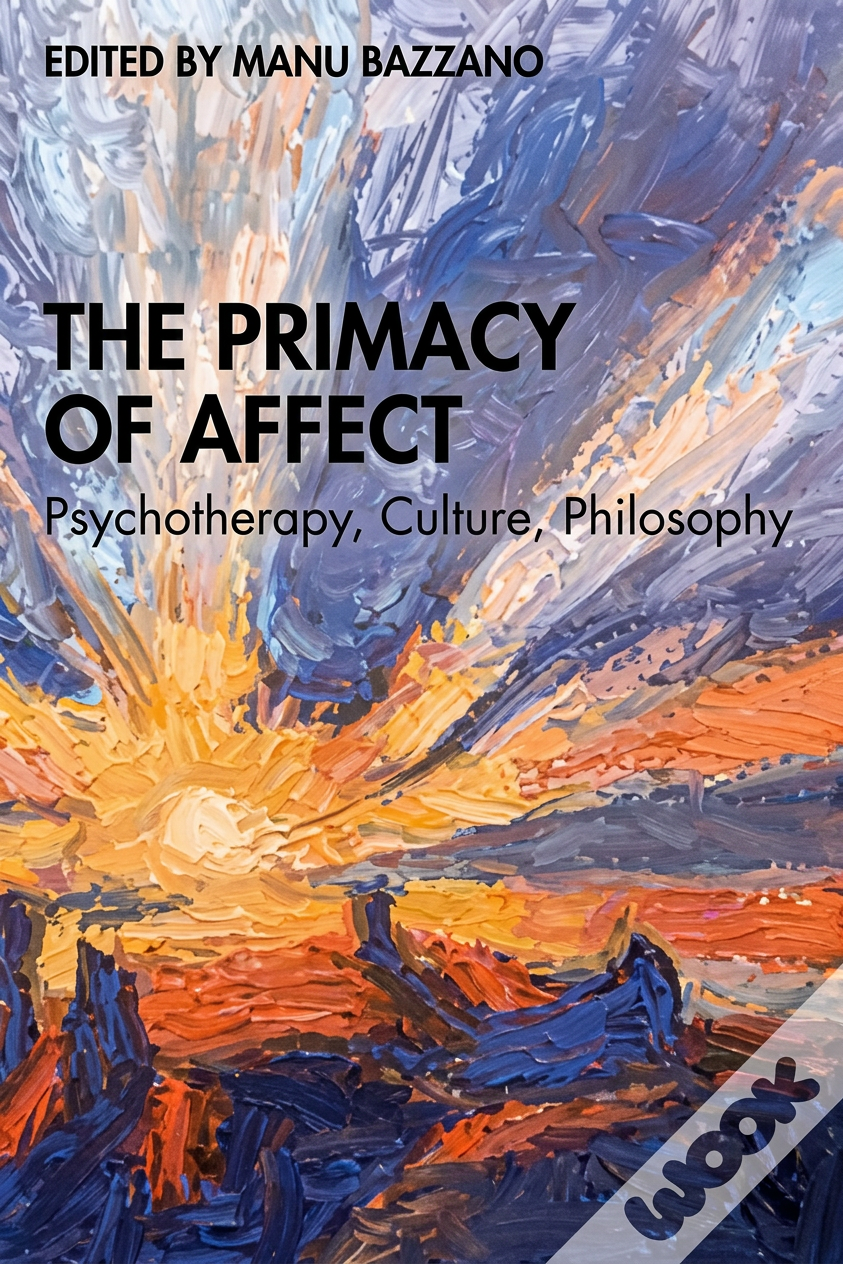
The chapter describes two encounters, one was a road-rage incident I was deeply affected by, the other was an experience described by Friedrich Nietzsche. Both highlight the pre-personal nature of affect. The significance of this for psychotherapy is that pre-personal relating creates an intimacy not possible with personal or impersonal ways of relating.
The chapter touches on, among other things, the affect of sharing the road-rage incident with a client, the defensive quality of empathy, how best to distrust yourself, the distinction between, and value of ‘open curiosity’ versus ‘closed curiosity’, how knowledge can become a defence against affect, affect as an alternative to truth, and the joy of hugging a strange man.
The book can be pre-oreder here: Routledge

Learn to Forget: a Nietzschean Revaluation of Forgetting in Psychotherapy is the title of a chapter I wrote for this book (published by Routledge).
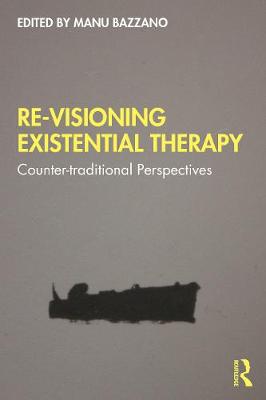
In my chapter I use case material in which I didn’t know the name of a client for over a year, I demonstrate the therapeutic value of Nietzsche’s ‘active forgetting’ by contrasting it’s lightness with the gravity of more orthodox Freudian ideas about forgetting.
Taking Nietzsche’s creditor/debtor relationship as a template for the therapeutic relationship I reframe this conflict as primarily moral rather than qualitative. I demonstrate how understanding the nature of our moral differences freed me (and my client) from the perceived debt he believed I owed him. I conclude by showing how the rupture and revaluation of forgetting facilitated an invigoration of our work together.
The editor described this chapter as ‘Unassumingly formidable.’
To read more about the book click: Waterstones

